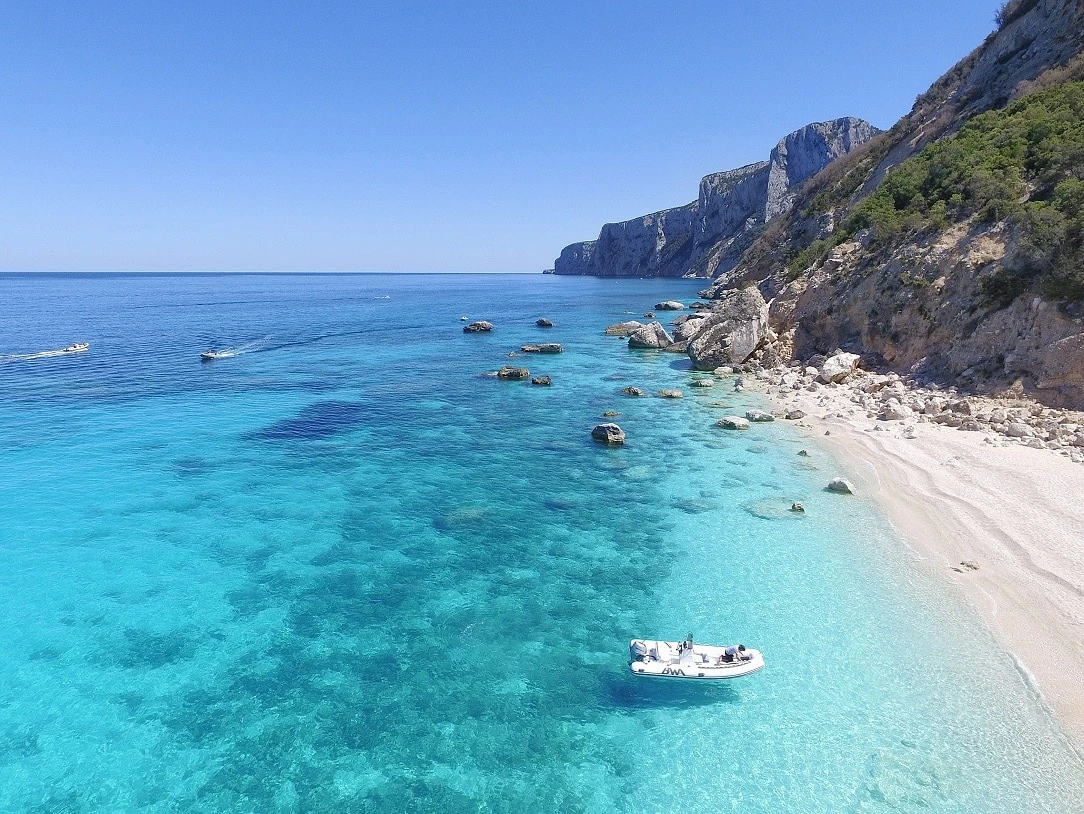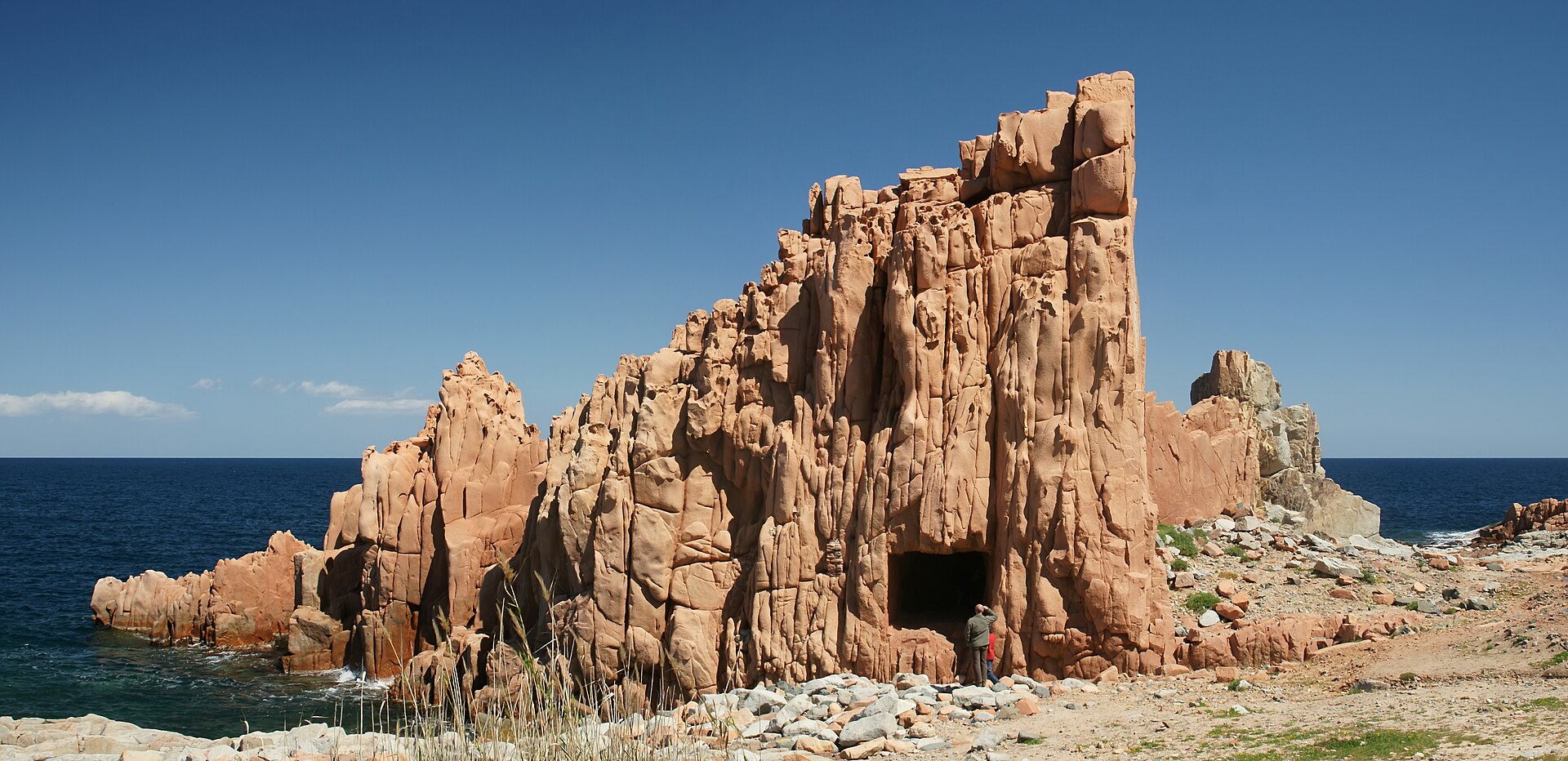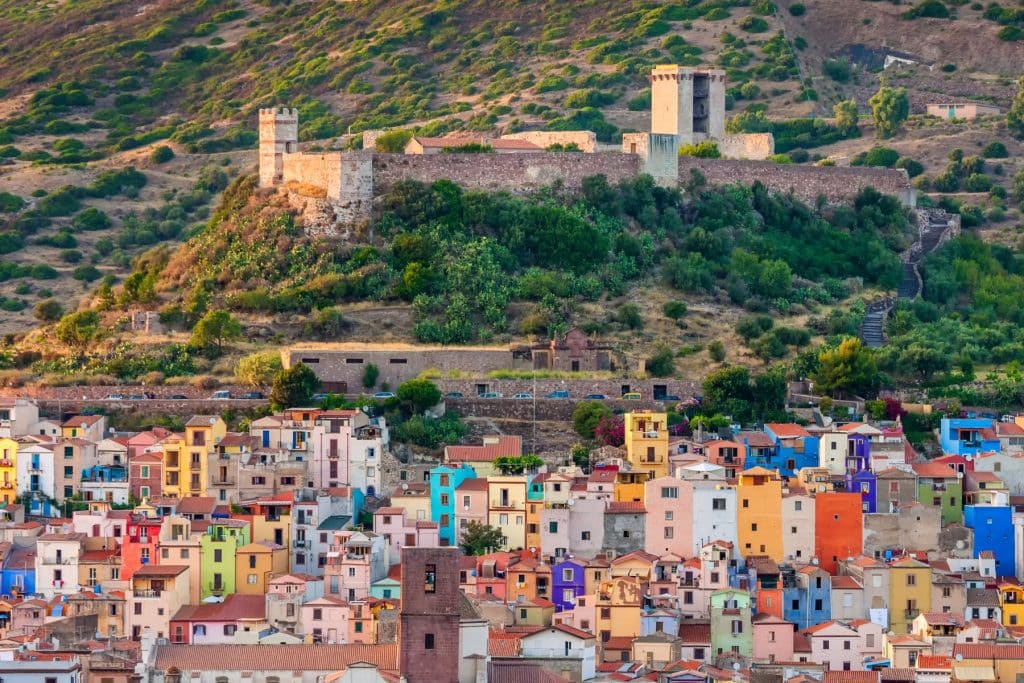
Southern Sardinia is not only Villasimius, Chia and Tuerredda. Between Cagliari, the Campidano, Sulcis and Iglesiente you will find historic cities, archaeological sites, mines, villages and landscapes that make it possible to build a complete trip even outside summer. This guide brings together the most interesting stops for travellers who want to discover the area beyond a day at the beach.
Cagliari: the natural starting point
Cagliari brings together history, museums, old neighbourhoods and seafront landscapes. Castello, Stampace, Marina and Villanova can easily fill a whole day, while Poetto and the Sella del Diavolo show the city’s natural side. It is also a convenient base for day trips towards both sides of the southern coast.
If you have at least two days, spend the first in the historic centre and the second between museums, Molentargius, Poetto and Bonaria. This way Cagliari becomes much more than an airport or a place to pass through.
Pula and Nora: archaeology by the sea
South-west of Cagliari, Pula is the gateway to Nora, one of the island’s most scenic archaeological sites. Its location by the sea makes the visit especially striking and combines history and landscape in the same itinerary. Pula’s town centre is pleasant for an evening walk and can become a good base for exploring Chia and Teulada.
Barumini and Su Nuraxi
To understand Sardinia’s most ancient history, you need to head inland. Su Nuraxi in Barumini is the main reference point for the Nuragic civilisation and can be combined with a day exploring the Marmilla area. It adds depth to a trip that might otherwise remain focused only on the coast.
Travellers who enjoy archaeology and rural landscapes can link Barumini with other sites and small inland towns, but it is better not to turn the day into a rushed sequence of monuments.
Iglesias and the mining landscape
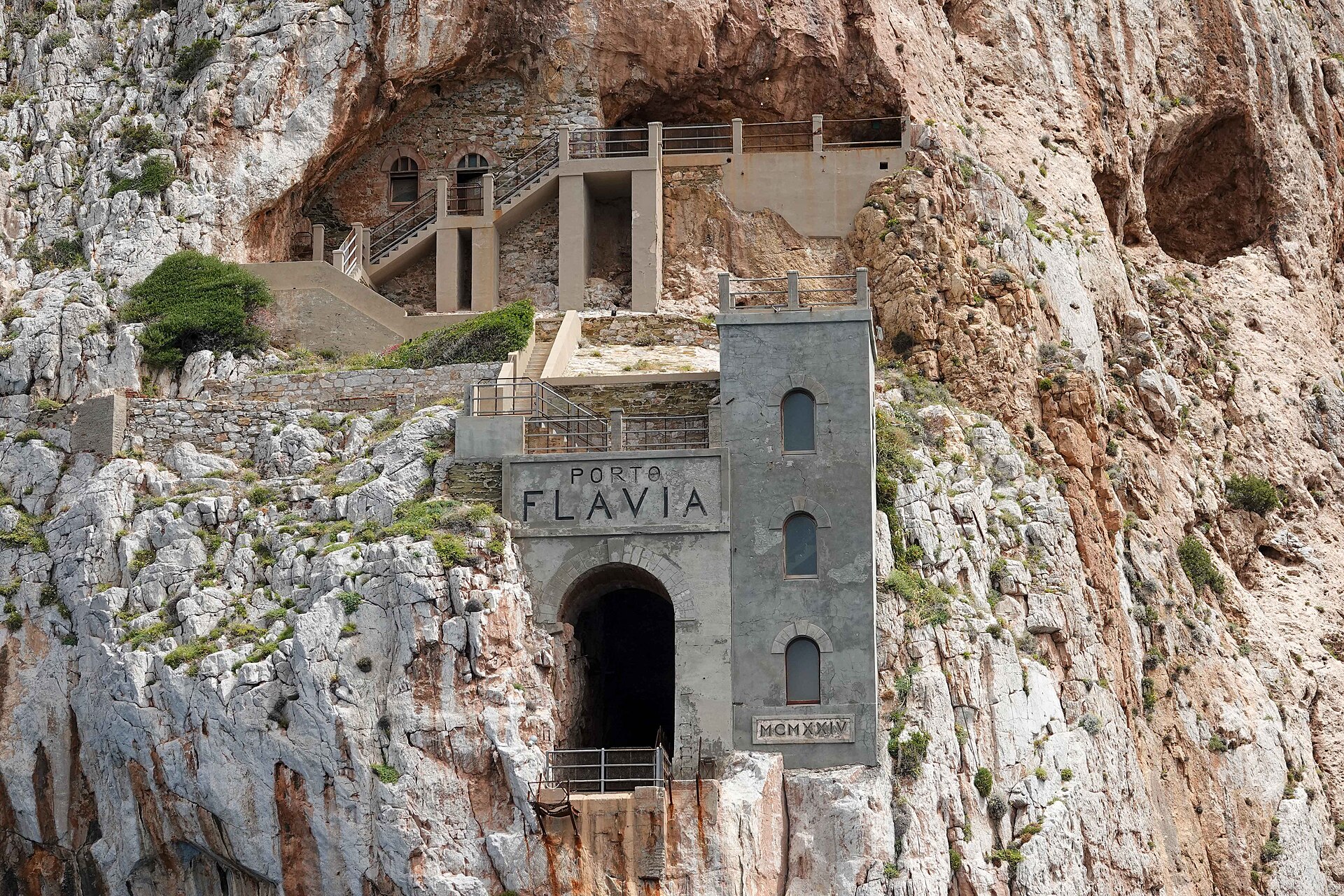
Iglesias tells the story of a different Sardinia. Its historic centre, churches and mining heritage introduce the Sulcis-Iglesiente, one of the island’s strongest areas for landscape and industrial history. From here you can reach Nebida, Masua and Porto Flavia.
Porto Flavia is one of the island’s most surprising sights: a feat of engineering built into the cliff opposite Pan di Zucchero. It works just as well on an autumn or spring trip, when the beach is not the main focus.
Sant’Antioco and Carloforte
The south-west changes character again on the islands. Sant’Antioco combines archaeology, a lively town and coastline; Carloforte, on San Pietro Island, preserves a strong Tabarchino identity. These are places to experience slowly rather than quick detours at the end of an already full day.
For Carloforte, allow for ferry times and dedicate at least half a day to the town, preferably a full day if you also want to explore the coast.
Villages, wineries and the interior
Southern Sardinia also offers towns connected with wine, crafts and local traditions. Santadi, Villaperuccio, Dolianova and other centres can become interesting stops on a food-and-wine or cultural trip. The Is Zuddas Caves add a natural attraction that is completely different from the coastal landscape.
How to build a 5-day itinerary
- Day 1: Cagliari.
- Day 2: Pula and Nora.
- Day 3: Barumini and the Marmilla.
- Day 4: Iglesias, Masua and Porto Flavia.
- Day 5: Sant’Antioco or Carloforte.
If you have a full week, add one beach day in Villasimius or Chia and one day dedicated to inland villages.
When to explore southern Sardinia beyond the sea
Spring, autumn and winter are particularly interesting because milder temperatures make cities, archaeological sites and walking routes more enjoyable. In summer, alternate these visits with beach days and choose the cooler hours for outdoor sites.
Frequently asked questions
Do you need a car? Yes for a wider itinerary, especially for the Iglesiente, Barumini and Sulcis.
Which stop feels most different from the classic beach holiday? Iglesias and Porto Flavia, together with Su Nuraxi, reveal three very different sides of the island’s history.
Does this itinerary work in winter? Yes, and it is precisely outside summer that many of these stops take on a bigger role in the trip.
How to connect these stops without wasting time
Southern Sardinia is easier to explore if you divide it into three areas: Cagliari and the Campidano, the south-west coast around Pula and Teulada, and the Sulcis-Iglesiente. Trying to connect Barumini, Porto Flavia and Sant’Antioco in the same day means spending too much time in the car. With a week, use two bases: Cagliari for the first part and Iglesias or Sant’Antioco for the second.
If you arrive by plane, spend the first days in the city and Campidano, then hire a car to continue towards Sulcis. If you arrive with your own vehicle, build a linear route and return by a different road, avoiding constant backtracking.
Who this itinerary is for
It is particularly well suited to couples, photography enthusiasts, families with older children and travellers visiting Sardinia for the second time who want to go beyond the best-known beaches. It also works extremely well in spring and autumn, when archaeology and the mining landscape become central parts of the trip.