
Town
Iglesias
Iglesias: History and Culture in the Heart of the Iglesiente
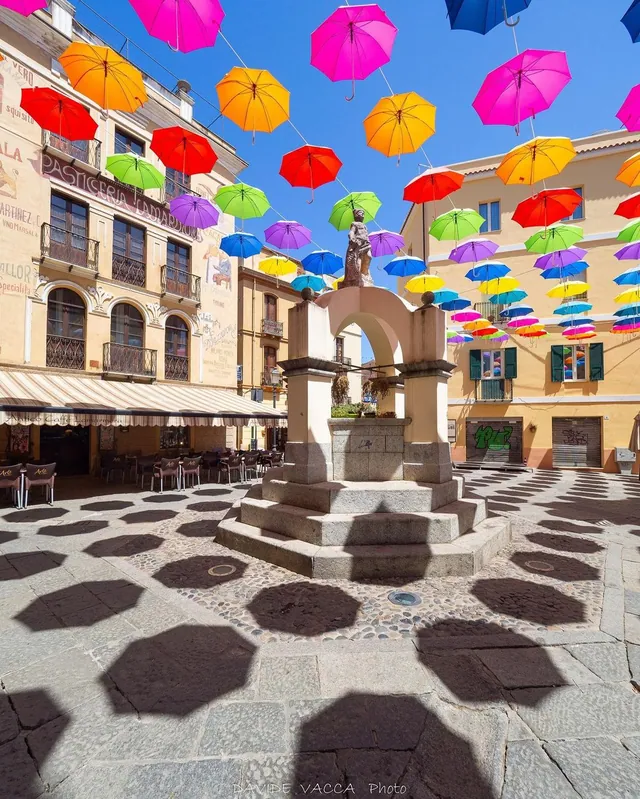
Iglesias, in south-west Sardinia, is a city rich in history and culture, surrounded by a territory that played a major role in the island’s mining era. It is the main centre of the Iglesiente and has a remarkable architectural and cultural heritage.
A heritage of faith and history
The name “Iglesias”, meaning “churches” in Spanish, reflects the importance of religious institutions in the city, many of them linked to the Catalan-Aragonese period. The historic centre preserves religious and civic architecture spanning centuries:
- Cathedral of Santa Chiara: built in the 13th century, it is one of the city’s main landmarks, with Gothic-Catalan architectural features.
- Church of San Francesco: another important building, housing a 16th-century retable and valuable examples of sacred art.
- Church of the Collegio: once an important spiritual centre for the Jesuits in Iglesias.
Traditions and living culture
Iglesias is renowned for its Holy Week processions, which show strong Spanish influences, particularly in the rites of the Misteri. The city also celebrates its medieval heritage with a historical procession that brings the streets to life each summer.
A major mining heritage
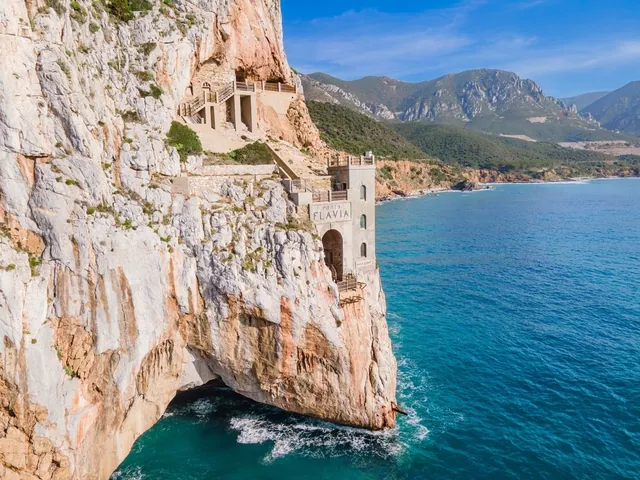
The mines around Iglesias, worked intensively for generations, are now part of Sardinia’s Historical and Environmental Geo-mining Park. The Mining Art Museum and Museum of Mining Machinery preserve this industrial heritage, while former mining sites such as Monteponi and Porto Flavia allow visitors to explore the history of mining and the communities built around it.
Natural scenery and local food
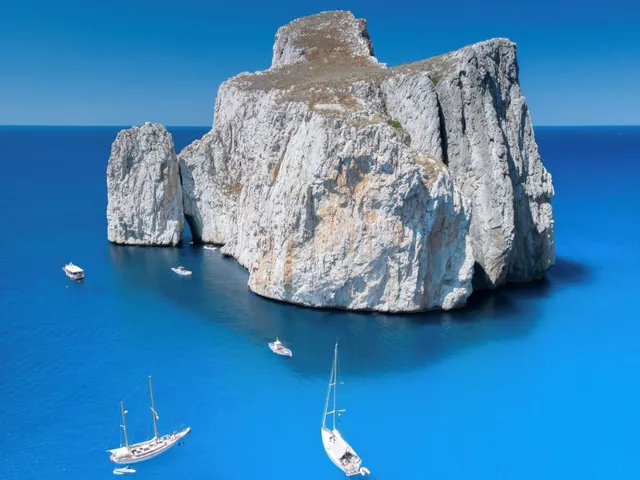
Beyond its history and culture, Iglesias is surrounded by striking natural scenery. Highlights include the cliffs around Masua and Pan di Zucchero, along with beaches set beneath the Iglesiente coastline. Local cuisine reflects the broader traditions of south-west Sardinia, from seafood to filled pasta and almond-based sweets.
Visiting Iglesias
Iglesias is both a destination in its own right and an excellent base for exploring the coast and inland areas of the Iglesiente and Sulcis. It suits travellers interested in history, industrial archaeology, nature and local culture.
See also
 Place
Iglesias
Pan di Zucchero
Discover Pan di Zucchero near Masua, Sardinia’s dramatic limestone sea stack opposite Porto Flavia and one of the symbols of the Iglesiente coast.
 Place
Iglesias
Masua and Porto Flavia
Discover Porto Flavia at Masua, a remarkable mining engineering project built into the cliff above the sea, facing the Pan di Zucchero sea stack.