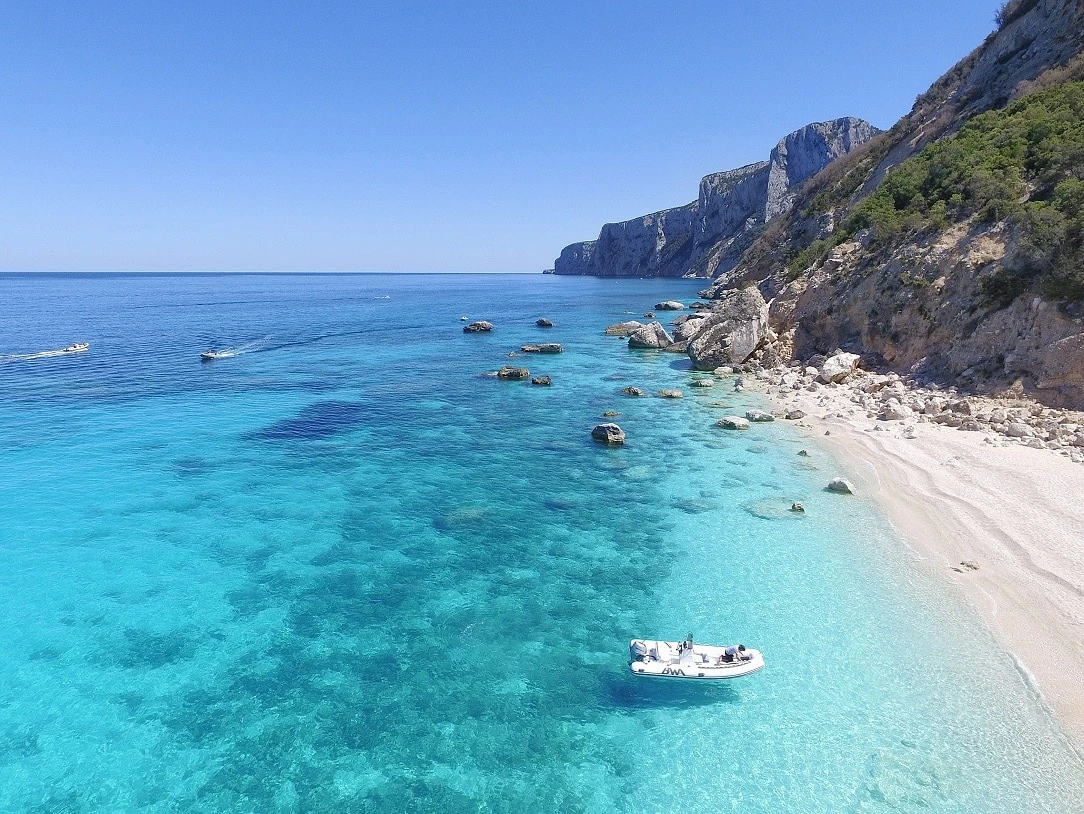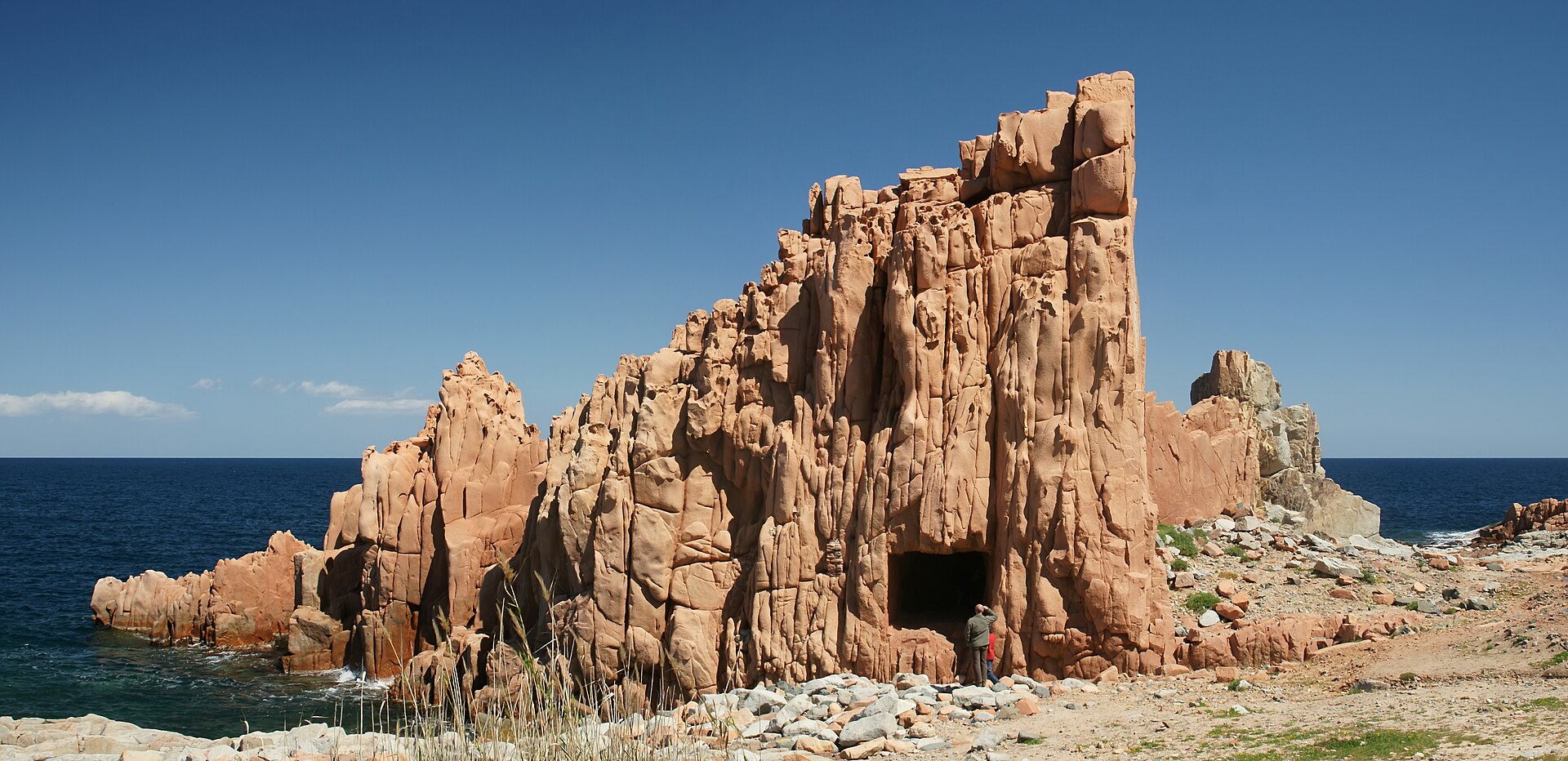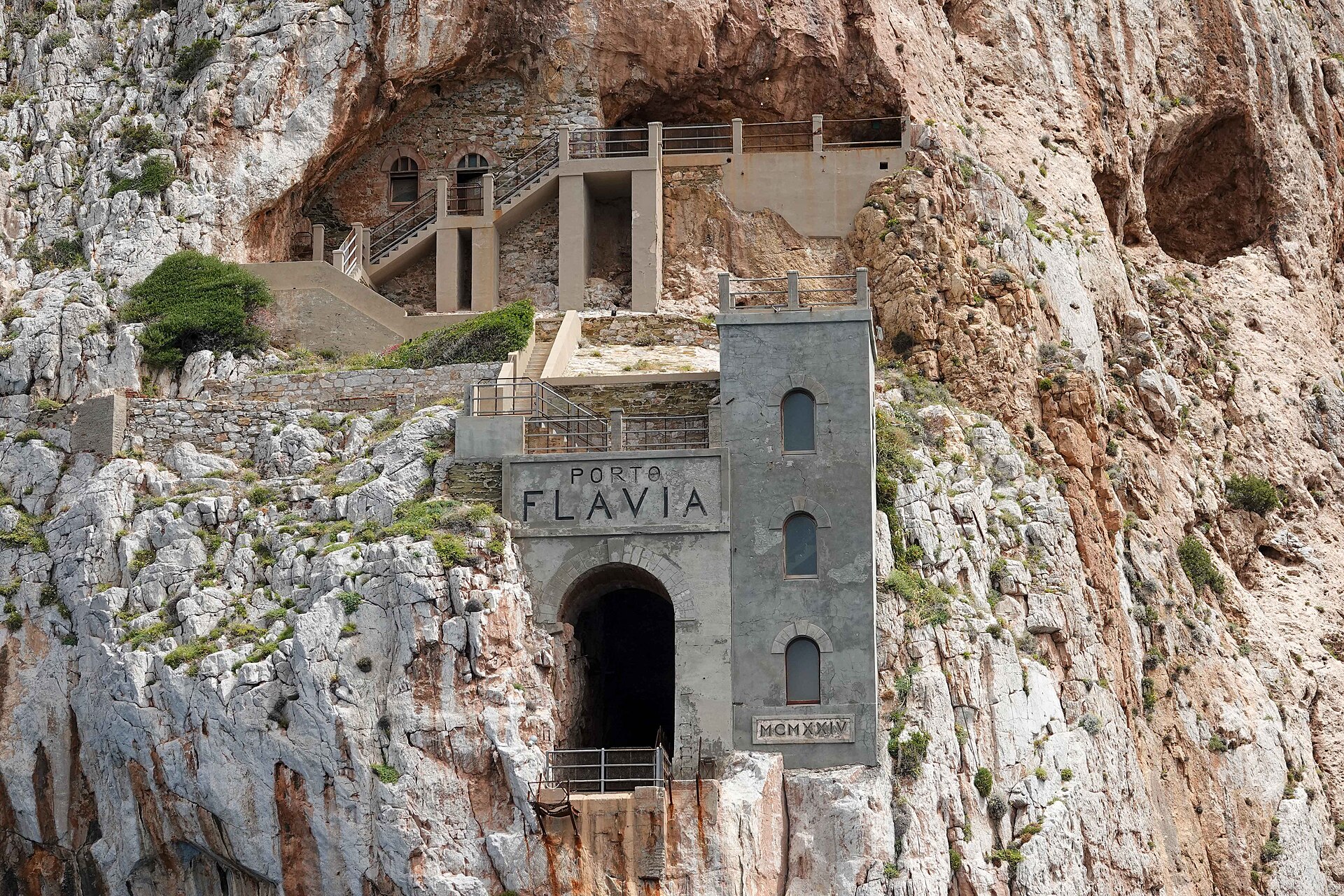
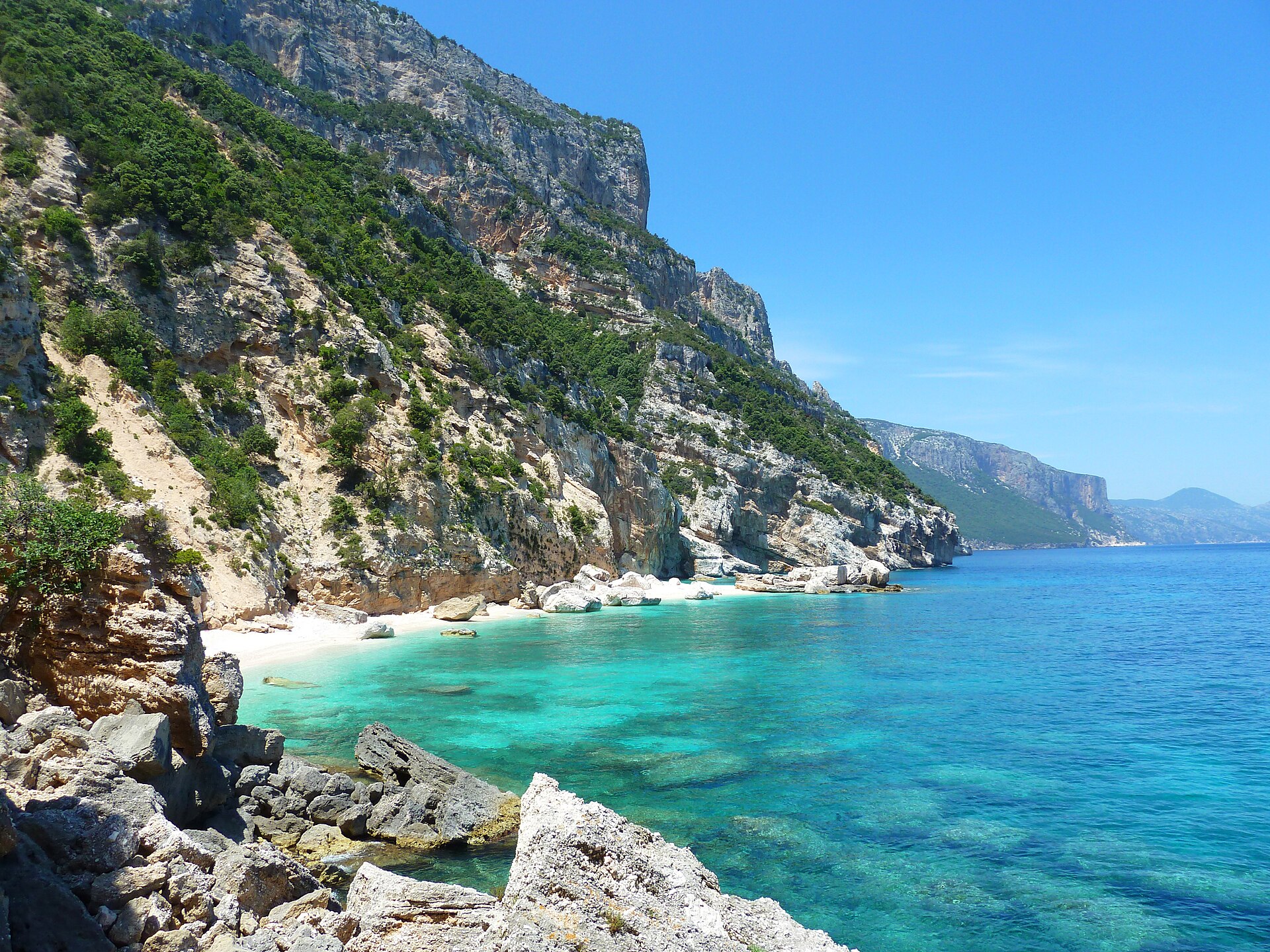
Sardinia is an ideal destination if you do not want to choose between the sea and the mountains. Within just a few kilometres, turquoise coves give way to limestone walls, canyons, woodland and plateaus. The east coast and inland Ogliastra are the easiest areas for building an active trip, while the Supramonte around Dorgali and Oliena also offers demanding and rewarding days.
Sea and hiking in Sardinia: why choose the east coast
Ogliastra and the Supramonte make it possible to alternate completely different days without driving hundreds of kilometres. Santa Maria Navarrese, Baunei, Ulassai, Dorgali and Cala Gonone can all become bases for an active journey. The sea is always close, but it is not the only focus.
It is important to distinguish between easy walks and technical hikes. Many Supramonte trails cross rocky, poorly marked terrain with little or no water: for demanding routes, it is wise to use local guides or set out only if you have suitable experience.
Pedra Longa and Baunei
Pedra Longa is one of the most accessible ways to enter the landscape of the Baunei Coast. The large limestone pinnacle rises from the sea and marks the starting area for several hiking routes. Even without taking on a long trek, the area offers a dramatic vertical landscape.
Baunei, slightly higher inland, is the town from which many activities along the coast and in the interior can be organised. Its territory is vast and deserves more than a quick stop on the way somewhere else.
Cala Goloritzè: dedicate a full day
Cala Goloritzè is one of the best-known destinations for travellers who want to reach the sea on foot. The trail requires preparation, water and suitable footwear; the downhill outward route should not make you underestimate the climb back. Access rules and regulations can change, so always check them before setting out.
Do not add another demanding activity on the same day. The combination of walking, heat and rocky terrain makes Cala Goloritzè a full-day activity in its own right.
Cala Mariolu and the coast by sea
After a day on foot, a boat trip along the Baunei Coast provides the perfect contrast. Cala Mariolu, Cala Biriala, Cala Sisine and the other coves let you see from the water the same limestone walls crossed by the hiking trails. It is a form of active recovery, but it should still be planned according to sea and weather conditions.
Ulassai and the Tacchi of Ogliastra
Ulassai offers a completely different landscape: limestone cliffs, caves, seasonal waterfalls, contemporary art and trails around the town. Osini and Scala di San Giorgio continue the exploration of the Tacchi, while Gairo Vecchio adds a cultural and photographic stop.
These days are especially good in spring and autumn, when temperatures make walking away from the coast much more pleasant.
Dorgali, Cala Gonone and the Supramonte
Further north, Dorgali and Cala Gonone open the way to another part of the Supramonte. Cala Fuili is an important coastal reference point; inland, the Lanaittu valley and routes around Tiscali and Monte Corrasi require more time and preparation.
Su Gologone can provide a quieter stop between two demanding days, as can a visit to Oliena or an archaeological site in the area.
A 7-day active itinerary
- Day 1: Santa Maria Navarrese and Pedra Longa.
- Day 2: hike to Cala Goloritzè.
- Day 3: the Baunei Coast by sea and Cala Mariolu.
- Day 4: Ulassai and the Tacchi.
- Day 5: Gairo Vecchio, Osini and transfer towards Dorgali.
- Day 6: Cala Gonone and Cala Fuili.
- Day 7: the Supramonte of Oliena or Su Gologone.
When to go
Spring and autumn are the most complete seasons for hiking. In summer, start very early, take the heat seriously and pay even more attention to water availability. After heavy rain, trail conditions can change, so up-to-date local information is essential.
Frequently asked questions
Do you need a guide? Not for every walk, but one is strongly recommended on technical, long or poorly marked routes in the Supramonte.
Is this kind of trip suitable for beginners? Yes, if you choose easy routes and alternate them with the sea and sightseeing. Difficult hikes should never be improvised.
What is the best area? Baunei and Ogliastra are probably the most immediate combination of famous coves, limestone walls and hiking trails.
How to alternate days without exhausting yourself
An active trip works better if you do not schedule two demanding hikes back to back. After Cala Goloritzè, for example, a boat day towards Cala Mariolu allows you to recover without giving up the landscape. After the trails around Ulassai, a quieter day between Gairo Vecchio, Arbatax or an inland town can be a good idea.
What you actually need to bring
Shoes with good grip, water, sun protection, a hat and a light backpack are the minimum for many excursions. Longer routes also require a reliable track, suitable clothing and a realistic assessment of your experience. Do not rely only on mobile coverage: in several parts of the Supramonte it can be intermittent.
An active holiday without extreme hiking
You do not need to take on the Selvaggio Blu or technical routes to enjoy an active Sardinia. Pedra Longa, short coastal trails, Ulassai, Su Gologone and walks through the Tacchi make it possible to build a dynamic trip even if you are not an experienced hiker.