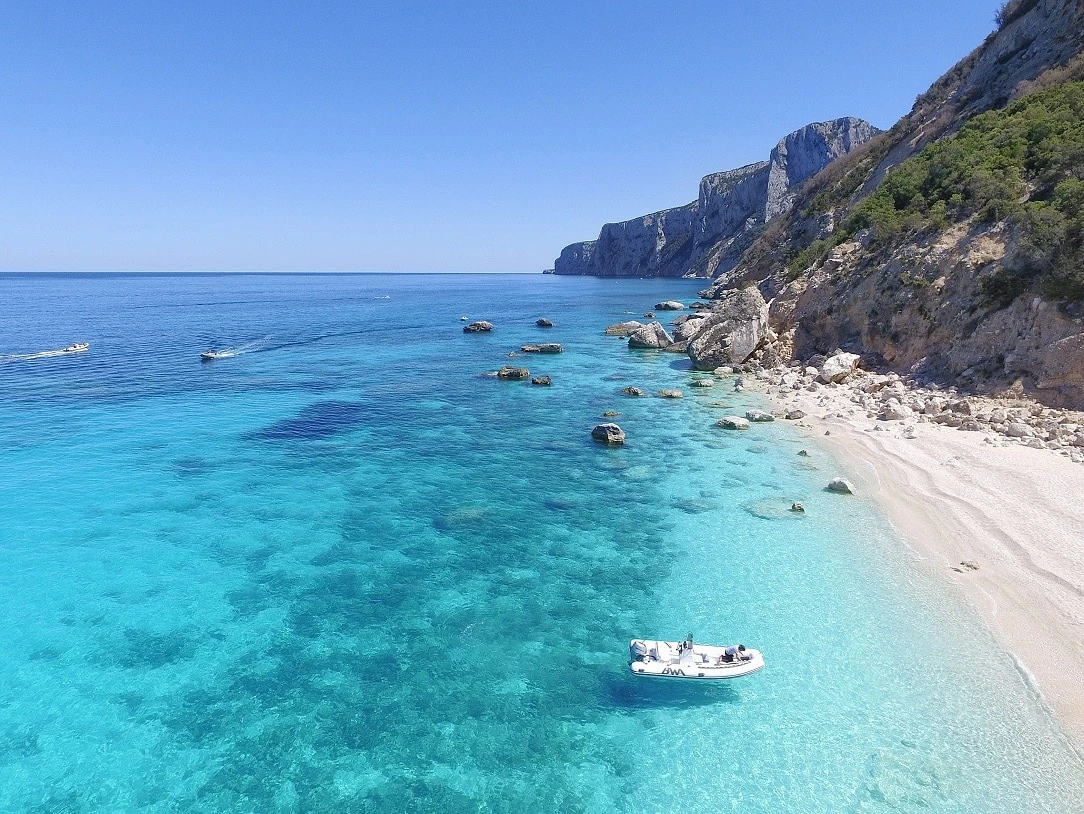
Sardinia outside the summer season is very different from the classic image of July and August. Beaches remain part of the landscape, but they are no longer the only reason to travel. Cities, villages, archaeological sites, hiking and events make it possible to build complete itineraries from October to May, at a slower pace and through areas that are often overlooked in summer.
Why visit Sardinia outside the summer season
Travelling outside summer means changing priorities. A day is not organised around a beach umbrella, but around a town, a museum, a trail or an archaeological site. This makes it possible to discover parts of the island that are often rushed through during the summer months.
The weather is more changeable and some seasonal activities reduce their opening hours or availability. For this reason, it is important to keep the itinerary flexible and check opening times before you travel.
Cagliari: city, sea and nature all year round
Cagliari is one of the easiest destinations for an off-season trip. Castello, Stampace, Marina and Villanova work in any month, while Poetto, Molentargius and the Sella del Diavolo let you stay outdoors when the weather is good. Museums and restaurants are reliable alternatives on more unsettled days.
Alghero and Bosa in autumn and winter
Alghero keeps a strong relationship with the sea even when swimming is not part of the plan. The bastions, historic centre and Capo Caccia can easily fill two or three days, while Bosa adds colour, the river and an even slower pace. The coastal road between the two towns is spectacular, but should be approached carefully in strong wind or bad weather.
Barbagia and the inland towns
Ogliastra: hiking, art and ghost villages
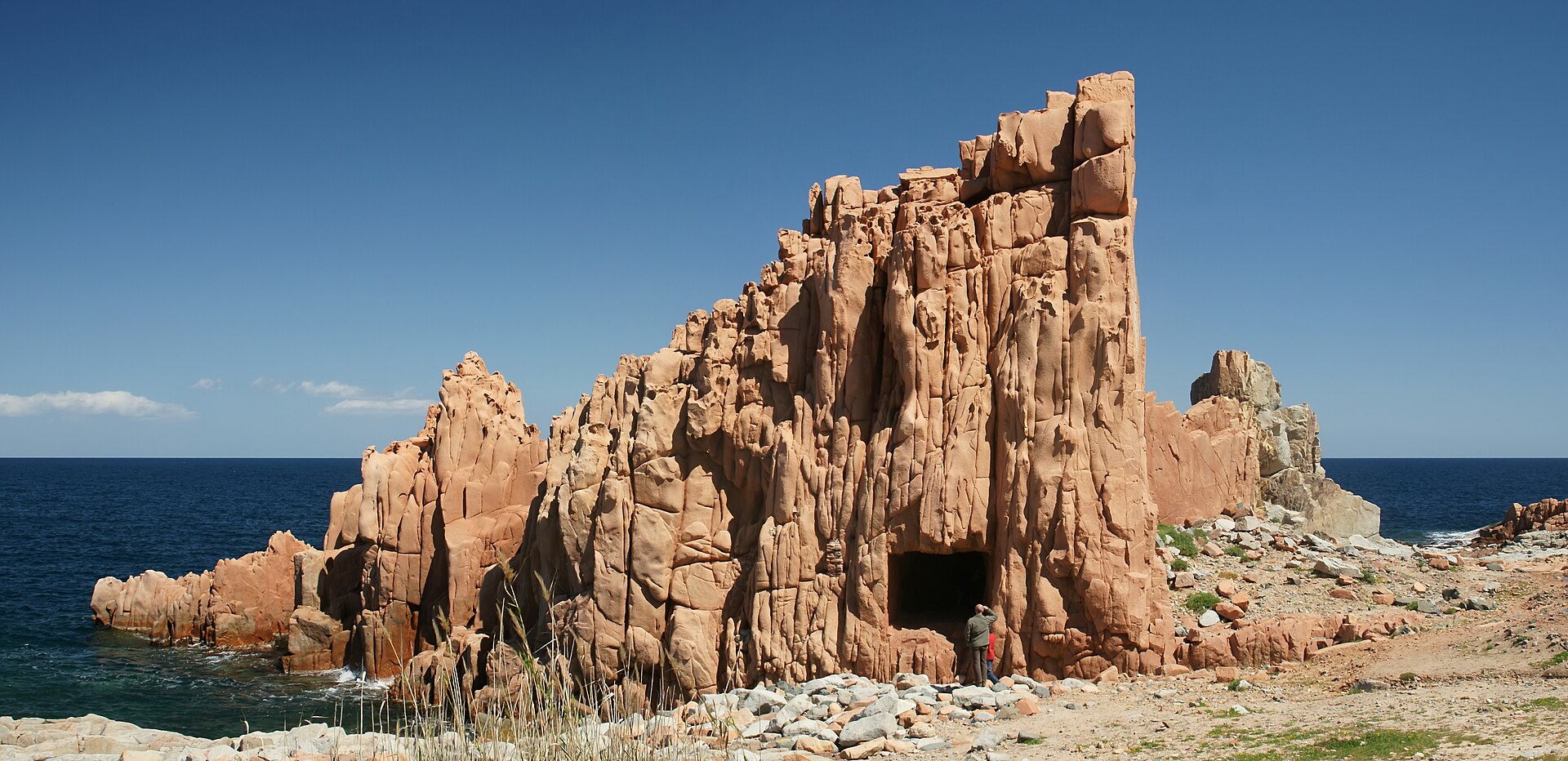
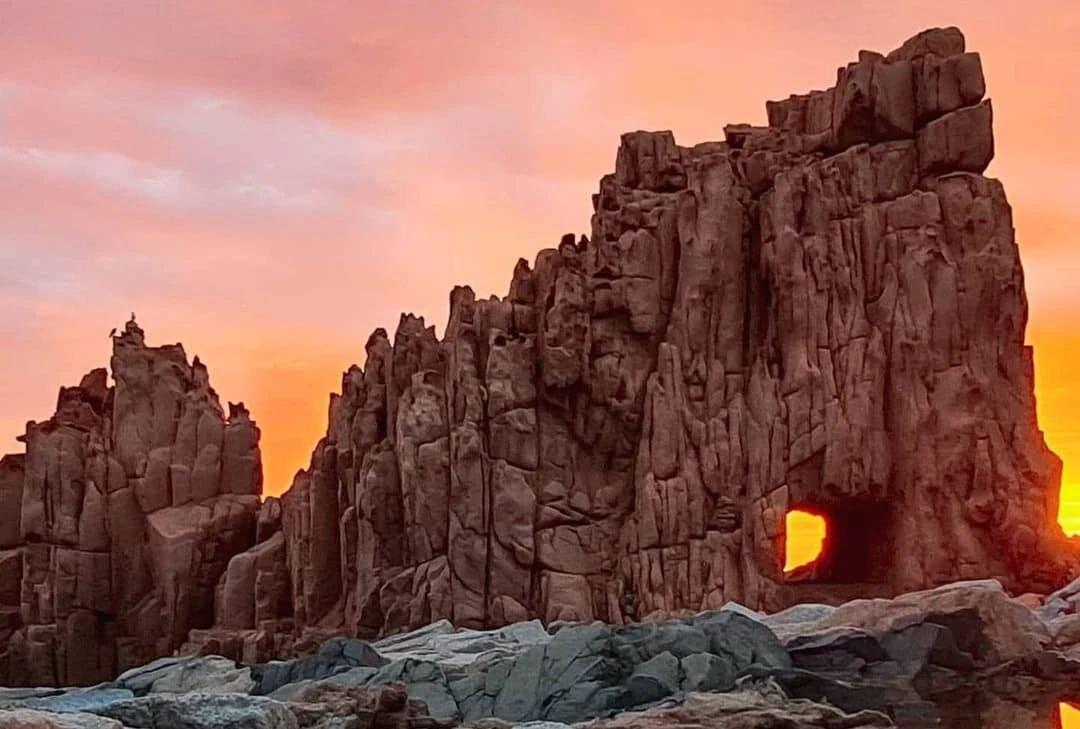
Ulassai, Gairo Vecchio and Osini are excellent in the cooler seasons. The Tacchi cliffs, caves and trails are more pleasant than in high summer, although rain and ground conditions should always be considered. Arbatax and the Rocce Rosse remain a striking coastal stop in every month of the year.
Archaeology without the heat
Su Nuraxi, Nora, Tharros, Monte d’Accoddi and the Sacred Well of Santa Cristina can be explored more comfortably outside summer. Shorter days require better planning, but temperatures often make outdoor visits far more enjoyable.
Iglesiente and Sulcis
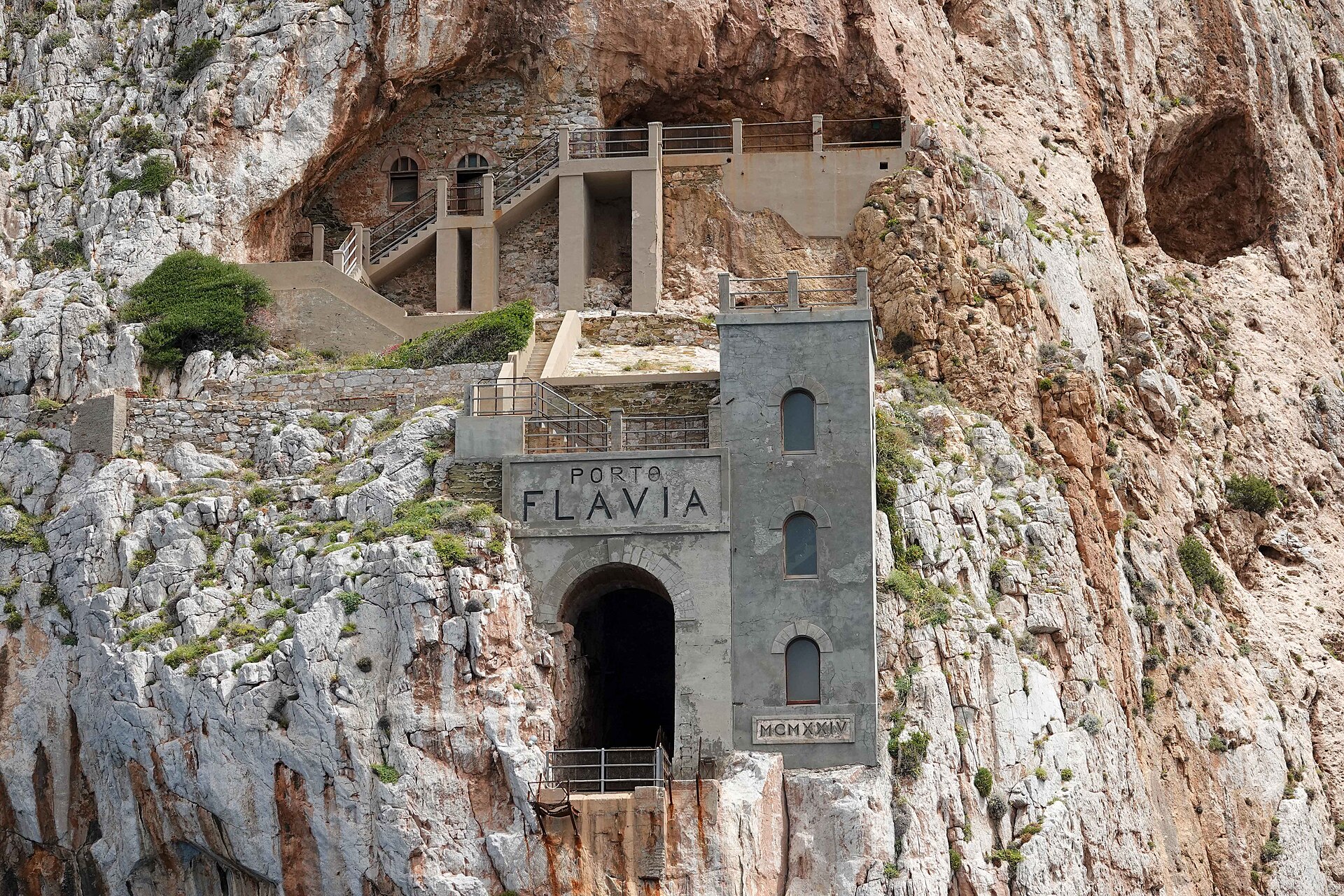
Iglesias, Porto Flavia, Masua and Sant’Antioco are especially interesting outside summer. The mining landscape does not depend on beach weather and can become the heart of a journey through industrial history, coastline and small towns. Carloforte can also be visited, after checking seasonal ferry connections and services.
Spring: the return of green landscapes
Between March and May the island changes quickly. Villages, countryside and mountains move back to the centre of the trip, while beach days begin to become possible again without being essential. It is probably the most complete period for travellers who enjoy photography, hiking and road trips.
A 7-day off-season itinerary
- Days 1–2: Cagliari.
- Day 3: Barumini and Su Nuraxi.
- Day 4: Oristano, Cabras and Tharros.
- Day 5: Bosa.
- Days 6–7: Alghero and Capo Caccia.
This itinerary works for most of the year and makes it easy to change plans if the weather turns.
What to know before you travel
Outside summer, some tourism services operate reduced hours. Check local ferries, guided visits, museums and attractions before building the day around them. Pack layers and do not underestimate wind and rain, especially along exposed stretches of coast.
Frequently asked questions
Is Sardinia worth visiting in winter? Yes, if you are not looking for a beach holiday. Cities, archaeology and villages can make for a very rewarding trip.
What is the easiest base? Cagliari and Alghero are the most versatile for services and alternatives.
When is hiking at its best again? Spring and autumn are generally the best periods, always taking local weather and trail conditions into account.
Autumn, winter and spring: three different trips
Autumn is the season for villages, events and hiking; winter favours cities, archaeology, museums and food; spring brings back greener landscapes, longer days and a stronger focus on nature. Treating the whole “low season” as one period is therefore a mistake: between November and April, climate, daylight and available services change significantly.
How to drive fewer kilometres and keep more options open
Outside summer, choose bases with several possibilities within a short distance. Cagliari offers city, sea, wetlands and southern sites; Alghero combines the historic centre, Capo Caccia and Bosa; Nuoro opens up Barbagia and the Supramonte; Tortolì connects the coast with inland Ogliastra. A versatile base reduces the risk of one bad-weather day disrupting the whole itinerary.
A different Sardinia even for returning visitors
Travellers who have visited the island several times in summer can use the cooler months to discover places often ignored during beach holidays: Gairo Vecchio, Ulassai, Su Nuraxi, Monte d’Accoddi, Iglesias, Bosa and the towns of Barbagia finally become main stops rather than simple alternatives.