
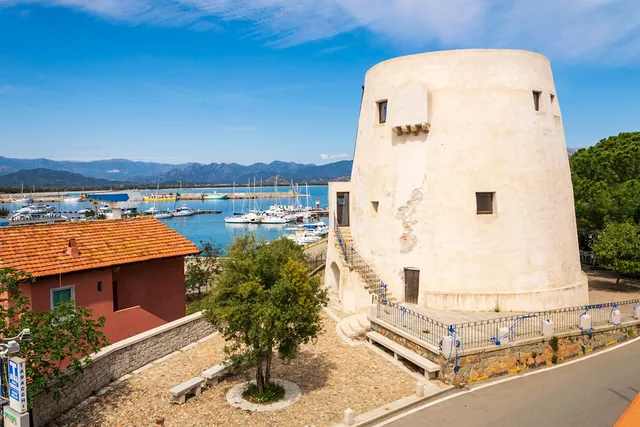
Hamlet of Tortolì
Arbatax
Arbatax
Set between cliffs, coves and the sea, Arbatax occupies the Capo Bellavista peninsula and is often described as a gateway to Ogliastra. A district of Tortolì, it combines a working harbour, striking coastal scenery and easy access to beaches and natural landmarks. Its mild climate also makes it worth visiting outside the main summer season.
Things to see in Arbatax
The natural symbol of Arbatax is undoubtedly the Red Rocks, dramatic red-porphyry formations beside the harbour. They are especially atmospheric in the softer light of early morning. Another popular stop is Cala Moresca, a small cove with clear water close to town. The Capo Bellavista lighthouse and the panoramic headland add another perspective on the coast.
How to get to Arbatax
Arbatax is reached through Tortolì and is well signposted from the main roads serving central-eastern Sardinia. From Cagliari, the main route follows the SS125 Var towards Ogliastra; from the north, road connections lead south through the island’s eastern and central corridors. Once in Tortolì, Arbatax is only a few minutes away.
Services in Arbatax
The seaside village has a good range of visitor services, many of them concentrated around the harbour and central area. Accommodation, restaurants, cafés and information services are available, with a livelier atmosphere in summer. Boat excursions along the Baunei Coast can also depart from the wider area.
Events in Arbatax
One of Arbatax’s best-known celebrations is Stella Maris, dedicated to Mary, Star of the Sea. Religious traditions are accompanied by community events and local food, highlighting the village’s maritime identity. Summer also brings cultural and evening events around the harbour.
Curiosities about Arbatax
Arbatax appears in Lina Wertmüller’s 1974 film Swept Away, starring Giancarlo Giannini and Mariangela Melato. The landscapes of Ogliastra were used for several scenes in the film.
Cala Moresca takes its name from the historical memory of Moorish raids along the coast.
A widely cited explanation links the name “Arbatax” to the Arabic expression for fourteen, referring to the coastal tower traditionally identified as the fourteenth in a defensive sequence.
See also
 Beach
Tortolì
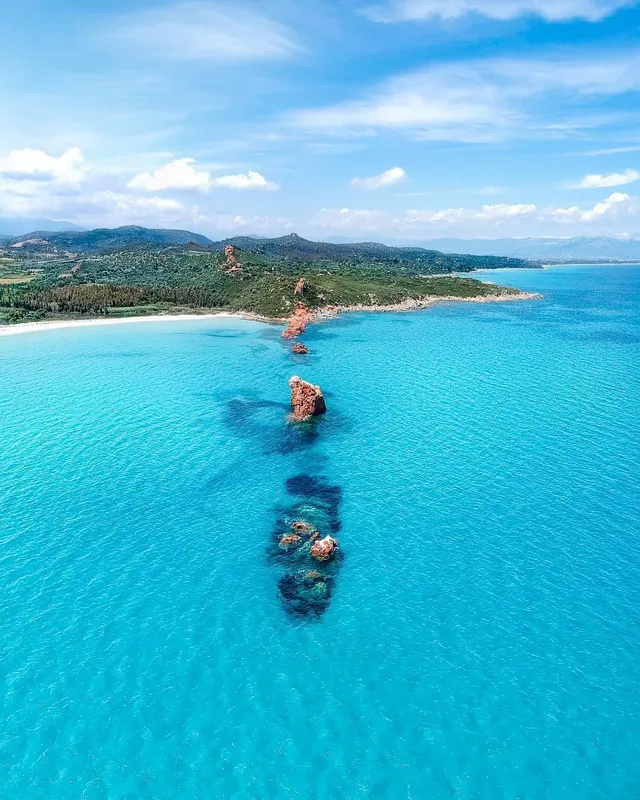
Spiaggia di Cea
Discover Cea Beach in Ogliastra: soft pale sand, shallow clear water, the red sea stacks of Is Scoglius Arrubius and useful beach services.
 Beach
Tortolì
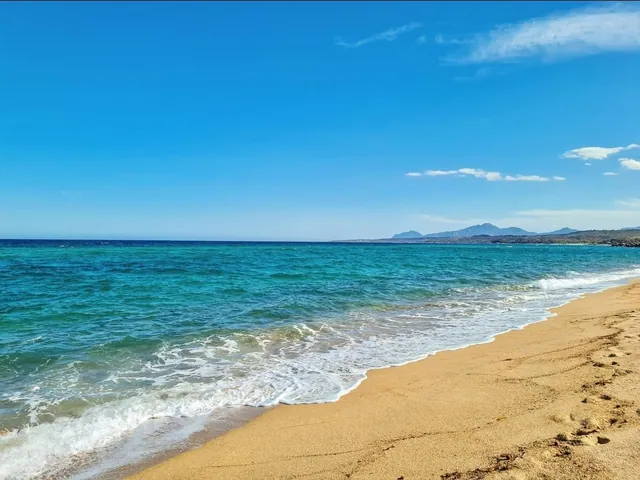
Basaura Beach
Basaura Beach is ideal for a wide range of visitors, offering 2 km of sand and beautifully clear, crystal-clear waters near Tortolì.
 Beach
Tortolì
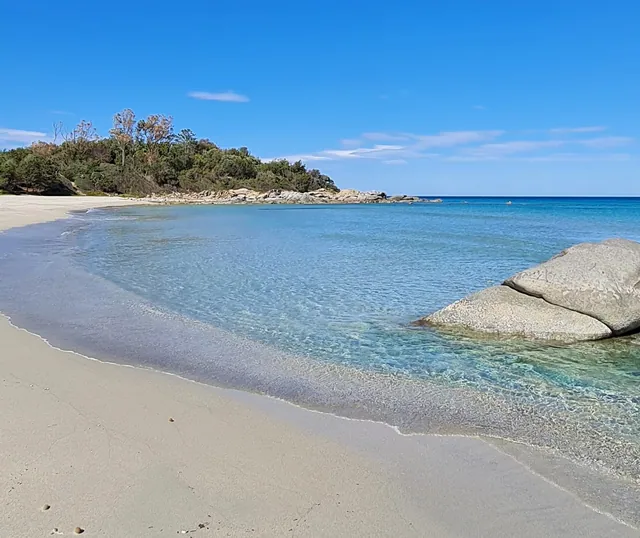
Foxilioni Beach
Foxilioni is a stunning crescent of sand on the magnificent 16-km coast of Lido di Orrì. Discover this gem near Tortolì with its clear, shallow waters.
 Beach
Tortolì
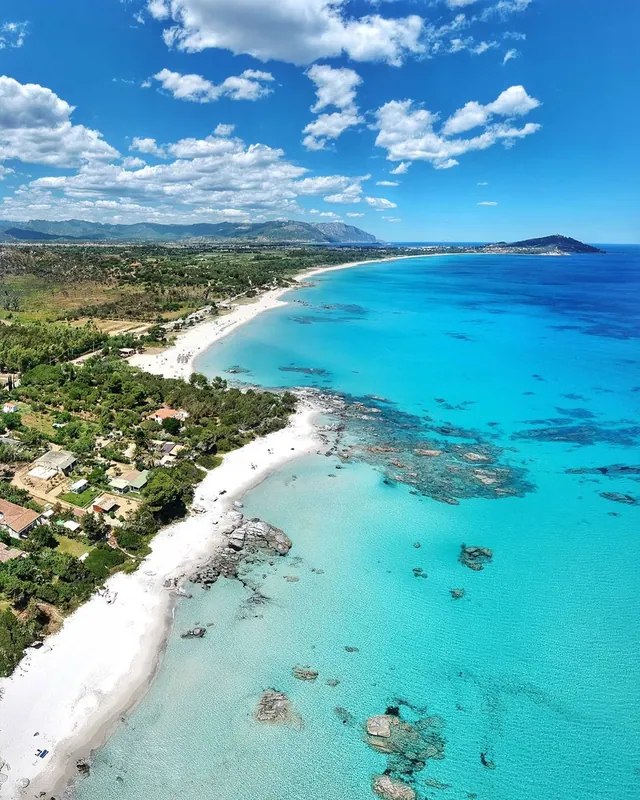
Lido di Orrì Beach
Discover Lido di Orrì near Tortolì, 16 kilometres of sandy beaches, bays and coves with shallow crystal-clear water, ideal for every visitor.
 Beach
Tortolì
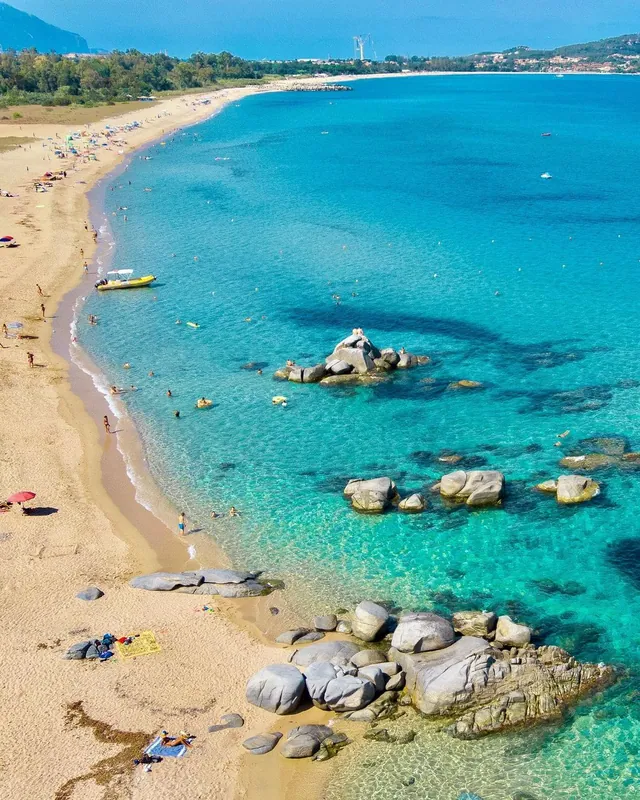
S'Orologiu Beach
Discover S'Orologiu beach in Tortolì, a relaxing paradise nestled between Lido di Orrì and Basaura. Enjoy fine sand, clear waters, and great amenities.
 Beach
Tortolì
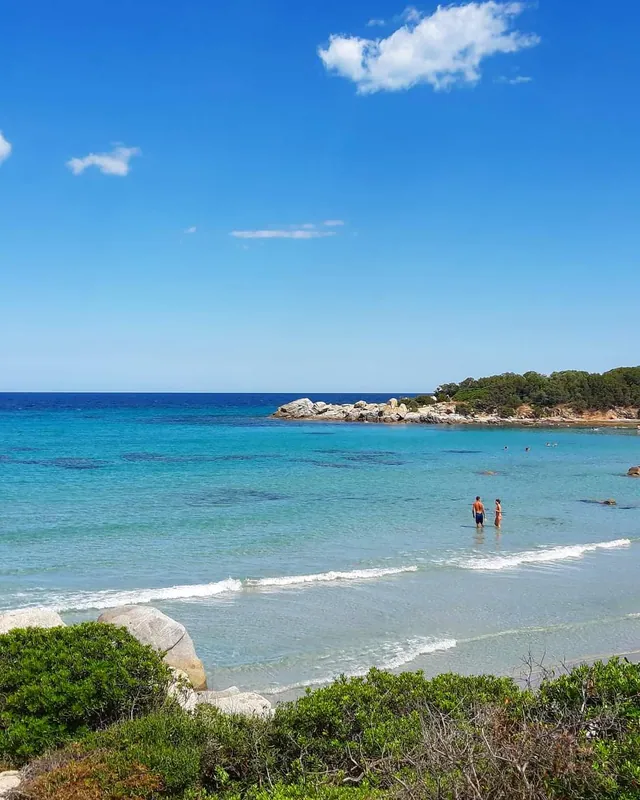
Il Golfetto Beach
Discover Il Golfetto beach in Tortolì, a gem on Sardinia's east coast. Famed for its crystal-clear water, shallow seabed, and serene atmosphere.
 Beach
Tortolì
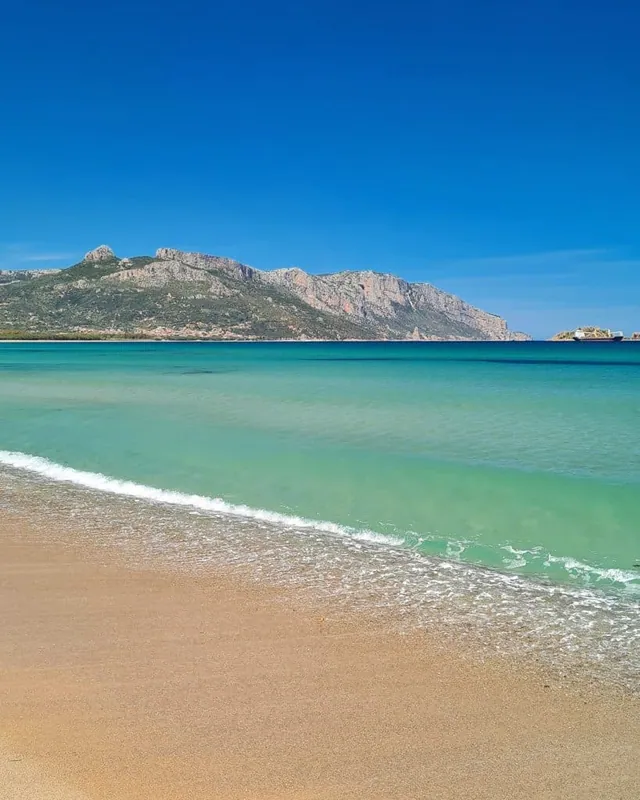
La Capannina Beach
Discover La Capannina Beach in Arbatax, easily accessible on foot or by car and offering a more tourist-friendly atmosphere with excellent facilities.
 Beach
Tortolì
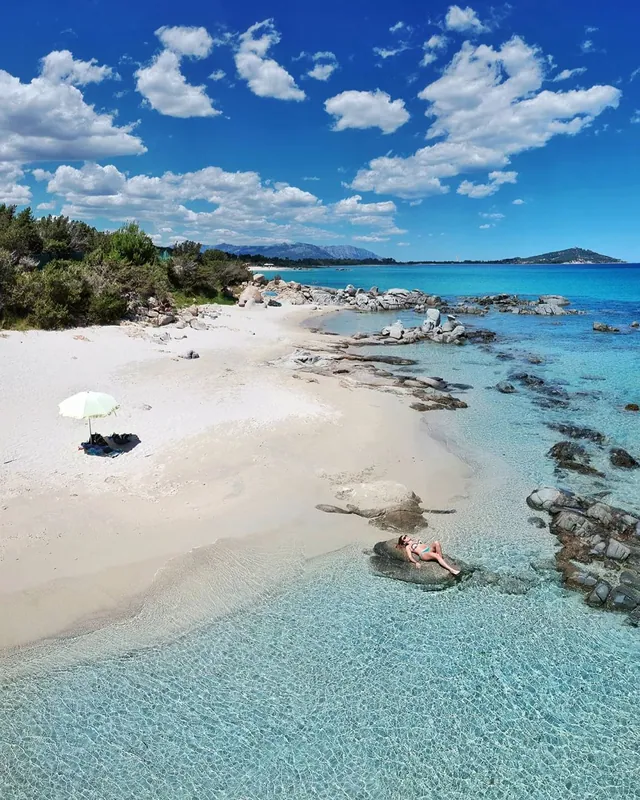
Spiaggia dei Milanesi
Spiaggia dei Milanesi boasts incredibly fine sand and breathtaking views near Tortolì. Its crystal-clear sea has a very shallow bed, perfect for families.