
Place · Iglesias
Pan di Zucchero
Pan di Zucchero: The Giant Sea Stack of the Iglesiente
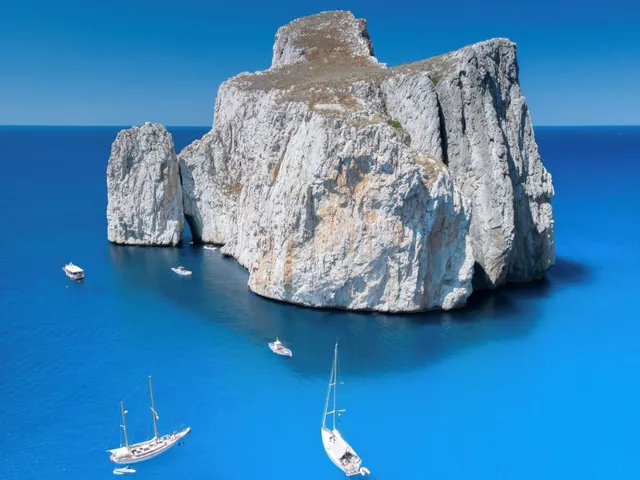
Pan di Zucchero rises about 133 metres from the sea off the Iglesiente coast in south-west Sardinia. This striking natural monument is one of the island’s most recognisable sea stacks and is especially impressive at sunset, when warm light catches the pale limestone and surrounding cliffs.
A record-breaking sea stack
Pan di Zucchero is a symbol of the Iglesias coast and is often described as the tallest sea stack in the Mediterranean. Its scale and position just offshore make it a major landmark. Climbing routes exist on the limestone, but they are technical activities that should only be undertaken with appropriate equipment and qualified guides.
Karst rock and sea caves
The small islet is shaped by karst erosion and includes two tunnel-like sea caves opening at water level. These features add to the geological interest of Pan di Zucchero and can be appreciated from the sea on suitable, authorised excursions.
A landscape shaped by mining history
Opposite Pan di Zucchero is the entrance to the mining complex of Porto Flavia, a 20th-century system of tunnels ending in a structure built into the cliff. It was designed to load ore directly onto ships and is one of the most remarkable examples of industrial engineering on the Sardinian coast.
A landscape of strong colour contrasts
Pan di Zucchero’s pale limestone stands out against the deep blue sea and the green vegetation of the surrounding coast. The contrast is particularly striking from Masua and Porto Flavia, where viewpoints reveal both the natural and industrial character of the Iglesiente.
Wild coast and mining heritage
The Iglesias coast combines rugged bays such as Porto Paglia and Nebida with places like Cala Domestica near Buggerru. Throughout the area, cliffs and beaches sit beside the remains of Sardinia’s mining past, creating one of the island’s most distinctive coastal landscapes.
See also
 Town
Iglesias
Iglesias
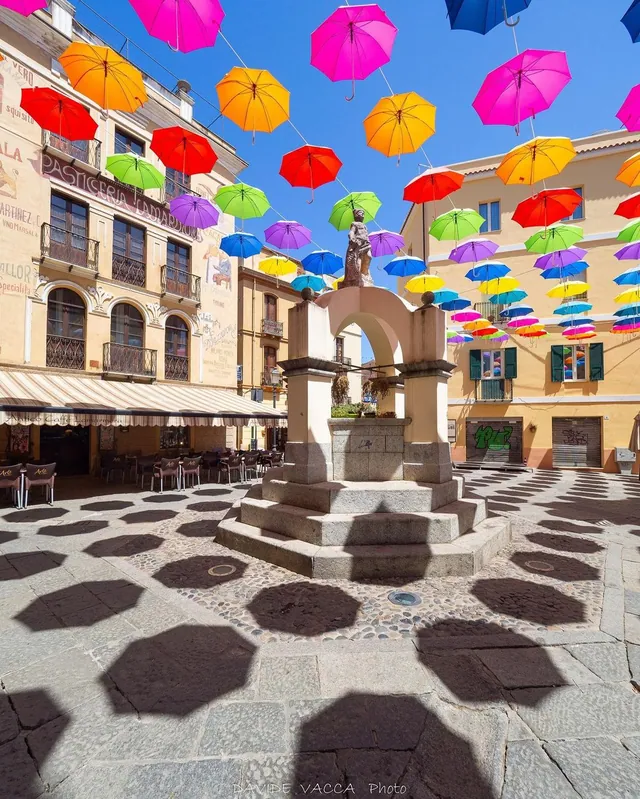
Discover Iglesias in south-west Sardinia: a historic city with medieval churches, mining heritage, Holy Week traditions and easy access to the Iglesiente coast.
 Event
24 October 2026 – 25 October 2026
Iglesias
Giornate del Romanico – Iglesias
An initiative opening Sardinia's Romanesque churches, abbeys and cathedrals to the public free of charge over five weekends.