
Town
Olbia
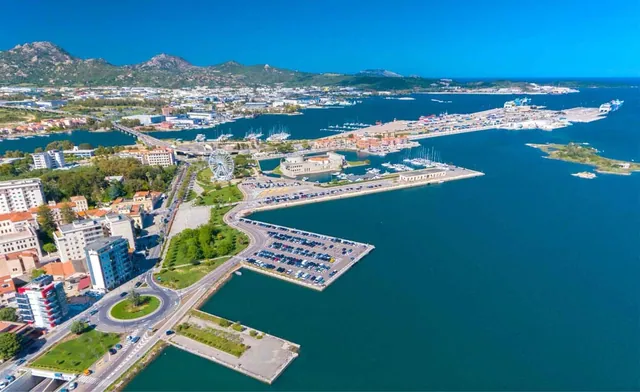
Olbia, known to the ancient Greeks as Olbìa, meaning 'happy', is one of Sardinia's main gateways and an economic hub of Gallura. Rich in history and culture, the city offers everything from archaeological remains to beautiful beaches, making it an important stop for travellers exploring Sardinia.
Olbia: a gateway to Sardinia
Olbia is one of the island's main arrival points, thanks to its airport and harbour connecting Sardinia with mainland Italy and the rest of Europe. This strategic position has made the city both a major transport hub for travellers and an economic engine for Gallura.
Traces of the past: Olbia's archaeological heritage
Olbia is an open-air record of different historical periods. The Archaeological Museum, on the small island of Peddone, houses important finds, while the Punic-Roman necropolis later reused in the Christian period preserves hundreds of tombs near the Basilica of San Simplicio.
Basilica of San Simplicio and traditional celebrations
Built between the late 11th and early 12th centuries, the Basilica of San Simplicio is one of the most important places of worship in north-east Sardinia. The Feast of San Simplicio, celebrated in mid-May, brings processions and events to the city.
Architecture and culture: the Church of San Paolo
The Baroque Church of San Paolo, with its colourful majolica dome, is another landmark of Olbia's cultural heritage. Its distinctive dome is part of the city skyline and reflects the area's long artistic and religious history.
Prehistory and Nuragic civilisation
The earliest evidence of human presence in the area dates to around 4000-3500 BC, with dolmens, menhirs and megalithic circles. During the Bronze Age, dozens of nuragic settlements developed across the territory, including the Giants' Tomb of Su Monte de s'Ape and the Riu Mulinu nuraghe, testimony to the deep roots of Nuragic culture in the Olbia area.
From the Phoenicians to Roman rule
Olbia's history reflects the influence of several Mediterranean civilisations, from Phoenicians and Greeks to a stable Punic settlement between the 5th and 4th centuries BC. Under Roman rule, Olbia became an important commercial centre, as shown by remains of paved roads, baths, the forum and an aqueduct.
Olbia's beaches and natural scenery
The Gulf of Olbia offers scenic coastal landscapes and easy access to famous destinations such as the Costa Smeralda. Beaches around the city, from Porto Istana to Pittulongu, range from turquoise bays to stretches of fine pale sand and are ideal for swimming and outdoor activities.
Local food and traditional products
Olbia's cuisine reflects Sardinia's rich food culture. Seafood dishes, especially locally farmed mussels, pair naturally with Gallura's renowned Vermentino wine and offer an authentic taste of the area.
Why visit Olbia
Olbia combines history, culture, nature and food in a way that makes it much more than a transport hub. Visitors can explore archaeological sites, spend time on nearby beaches and enjoy local cuisine, while using the city as a practical base for discovering the wider north-east of Sardinia.
See also
 Beach
Olbia
Porto Istana
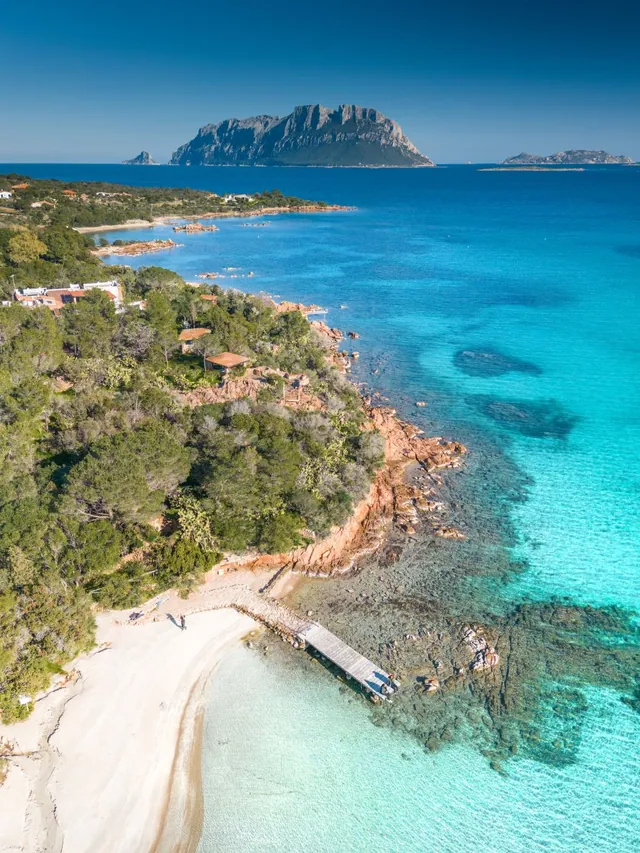
Discover Porto Istana near Olbia: white sand, crystal-clear water and views of Tavolara on Sardinia’s north-eastern coast.
 Place
Olbia
Tavolara Island
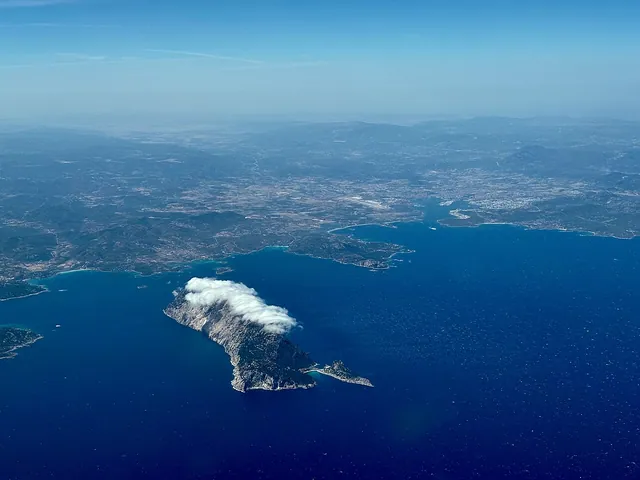
Discover Tavolara Island in north-east Sardinia: protected sea, beaches, hiking and spectacular views between Olbia and San Teodoro.