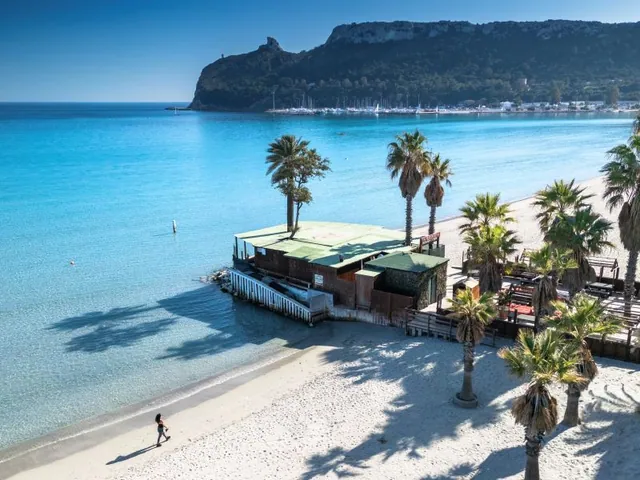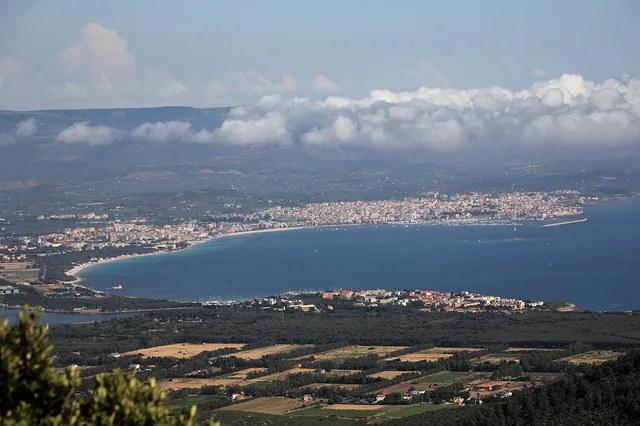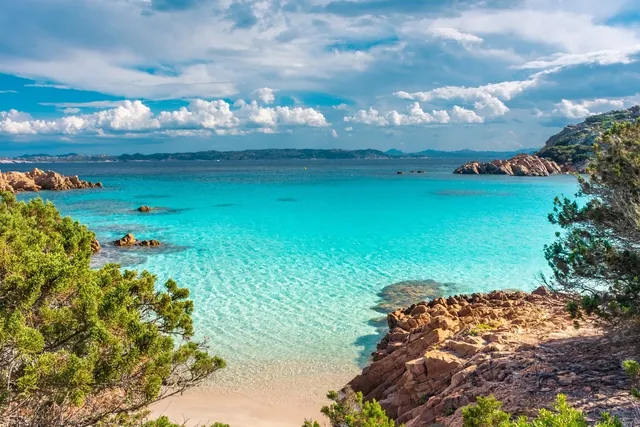
Sardinia's west coast offers a very different kind of trip from a holiday based in a single seaside resort. Cliffs, riverside towns, archaeological sites, dunes, mining landscapes and islands shape the route from Alghero to Sulcis. One week is the minimum we recommend if you want to travel without rushing; with ten days, you can add more stops and detours inland.
Sardinia's west coast: a north-to-south itinerary
This route is designed as a linear journey from Alghero to Sant'Antioco and Carloforte, although it can easily be done in reverse. A car is almost essential, as many natural and mining sites are not efficiently connected by public transport.
- Stop 1: Alghero and Capo Caccia.
- Stop 2: the scenic Alghero–Bosa road.
- Stop 3: Bosa and Oristano.
- Stop 4: the Sinis Peninsula and Tharros.
- Stop 5: Costa Verde and Montevecchio.
- Stop 6: Iglesias, Masua and Porto Flavia.
- Stop 7: Sant'Antioco and Carloforte.
Stop 1 – Alghero and Capo Caccia
Start in Alghero, an ideal introduction to north-west Sardinia with its historic centre, sea walls and beaches. Then spend half a day at Capo Caccia and Porto Conte. If you plan to add Neptune's Grotto, always check access arrangements and weather conditions in advance.
Alghero deserves at least two nights if you also want to visit Palmavera and Anghelu Ruju without squeezing everything into a few hours.
Stop 2 – The Alghero–Bosa scenic road
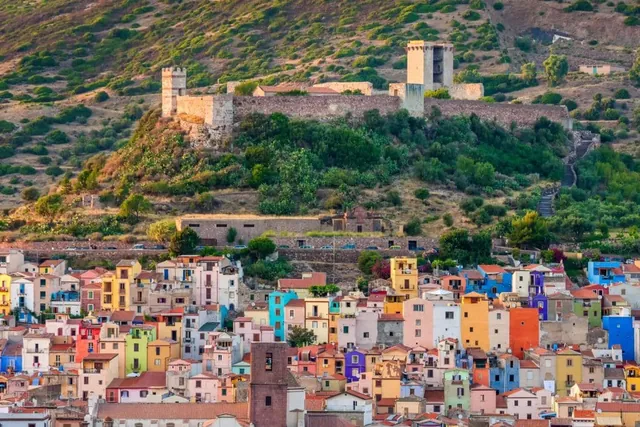
The coastal road to Bosa is one of the most scenic parts of the itinerary. Cliffs and Mediterranean scrub line the route, with plenty of viewpoints along the way. Once in Bosa, explore the Sa Costa district, the Temo riverfront and Serravalle Castle.
This is a road to drive slowly. Following only the time shown by your sat-nav means missing exactly what makes this stretch of coast special.
Stop 3 – Oristano and Cabras
Continue towards Oristano and the Sinis Peninsula. Oristano is a convenient base for exploring Cabras, the wetlands, quartz beaches and the archaeological heritage of Sardinia's central-west coast. If you have time, spend an evening in the historic centre and try the local cuisine.
Stop 4 – Tharros and the Sinis Peninsula
The archaeological site of Tharros occupies an extraordinary setting on the Sinis Peninsula. On the same day you can reach San Giovanni di Sinis beach and add other coastal stops without travelling far.
Sinis is best experienced as a whole: archaeology, lagoons, small towns and beaches become more rewarding when connected in one itinerary rather than treated as isolated stops.
Stop 5 – Costa Verde and Montevecchio
As you head south, the landscape becomes wilder. Torre dei Corsari introduces the dune systems and exposed coastline of Medio Campidano, while inland you can explore one of the most important chapters of Sardinia's mining history. The Montevecchio Mine helps explain the relationship between industry, mining villages and the surrounding landscape.
Distances may look short on the map, but local roads and scenic stops take time. Avoid planning too many Costa Verde locations in a single day.
Stop 6 – Iglesias, Masua and Porto Flavia
Iglesiente is one of the most spectacular stretches of Sardinia's west coast. Iglesias introduces the area's mining history; in Masua you will find Porto Flavia and Pan di Zucchero. Just to the north, Cala Domestica combines a beautiful bay with traces of the region's mining past.
Porto Flavia is best booked in advance. Allow at least a full day for Iglesias and Masua, or two if you also want to include Buggerru and other mining areas.
Stop 7 – Sant'Antioco and Carloforte
The final part of the route leads to the islands of Sulcis. Sant'Antioco combines archaeology, a lively town and coastline, while Carloforte, on San Pietro Island, has a distinctive Tabarkine identity and a different maritime landscape.
If you have only one day, choose one of the two islands. With two or three days, you can explore both and finish the itinerary at a more relaxed pace.
How many days do you need for Sardinia's west coast?
7 days: an essential itinerary with one main stop per day.
10 days: our recommended option, with time for beaches, archaeology and inland detours.
14 days: enough to add Asinara in the north, spend longer in Sinis and explore the Sulcis islands more fully.
Best time for this west coast itinerary
Spring and early autumn are ideal for Sardinia's west coast, with milder temperatures, good conditions for hiking and archaeological visits, and fewer crowds in the seaside areas. In summer the sea takes centre stage, but the Mistral can affect days on this exposed coast. Having cultural and nature alternatives makes the trip much more flexible.
Why choose Sardinia's west coast?
This itinerary suits travellers looking for a varied side of Sardinia rather than a holiday focused only on beaches. In one week you cross very different identities: Alghero's Catalan heritage, riverside Bosa, archaeological Sinis, the mining landscapes of Iglesiente and the island culture of Sulcis. It is one of the best routes for understanding how much Sardinia changes within just a few hundred kilometres.